CurveBook
Curve fitting, biostatistics and scientific graphs, with data, analyses and notes kept together in one file you can send to a collaborator.
Rustalpha
CurveBook 34%of approved drugs act on a G protein-coupled receptor.
At the University of Copenhagen we combine genomics, structural biology, pharmacology and health-care data to learn how human genetic variation changes the way receptors respond to drugs.
A single swapped amino acid can change how well a drug works, or which pathway it switches on. We follow that change across four scales.
Predict how a variant changes drug response.
Structure prediction and co-evolution, also to find peptide–receptor pairs across species.
Measure that change in cells.
Binding, selectivity and signalling assays with approved drugs.
Link variants to disease and to changes in therapy.
Missense variants in UK Biobank and the Danish registries.
Make it a shared resource for personalised medicine.
A public platform that phenotypes GPCR variants.
Curve fitting, biostatistics and scientific graphs, with data, analyses and notes kept together in one file you can send to a collaborator.
OPLS, OPLS-DA and O2PLS with a scikit-learn interface, plus VIP scores, S-plots and permutation tests.

Alexander Sebastian Hauser
Associate Professor, group leader
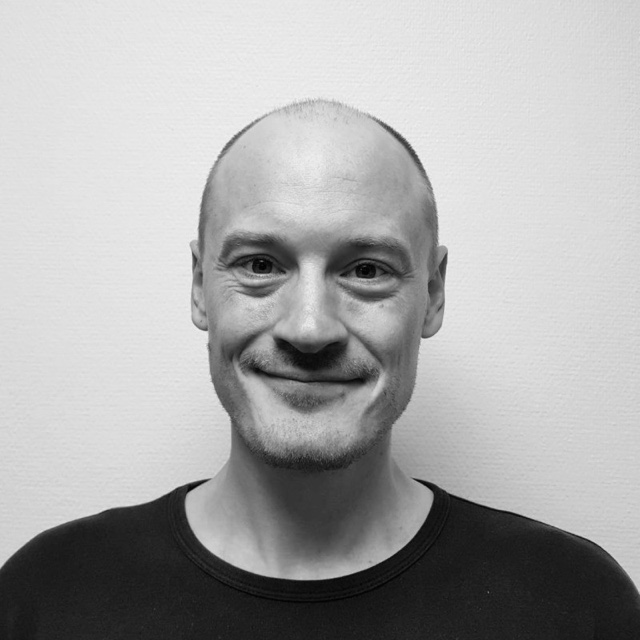
Olav Larsen
Postdoc
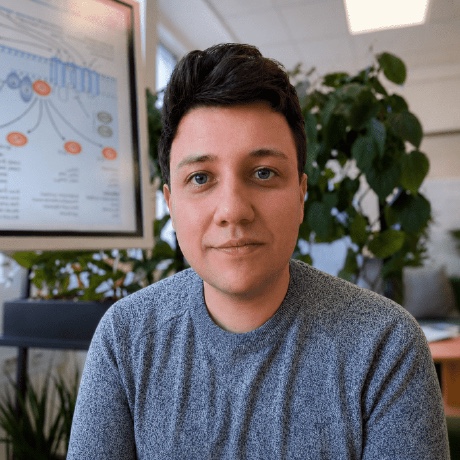
Marin Matic
Postdoc

Pablo Baceiredo Macho
PhD Fellow
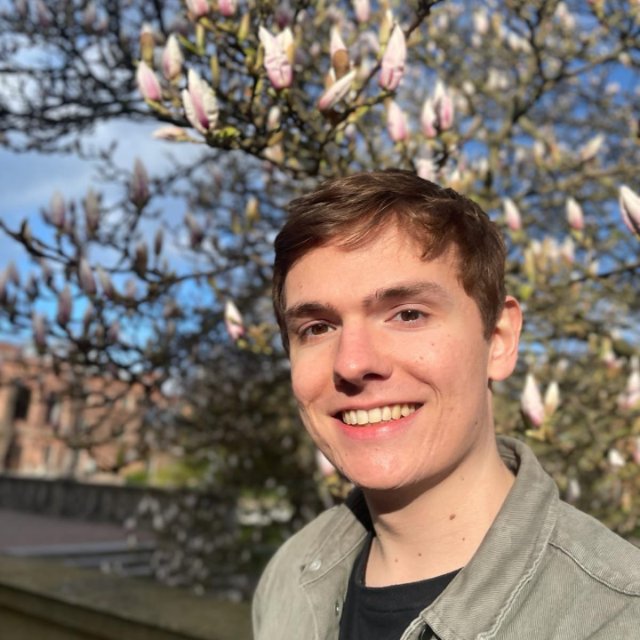
Luuk Robin Hoegen Dijkhof
Research Assistant / PhD Fellow
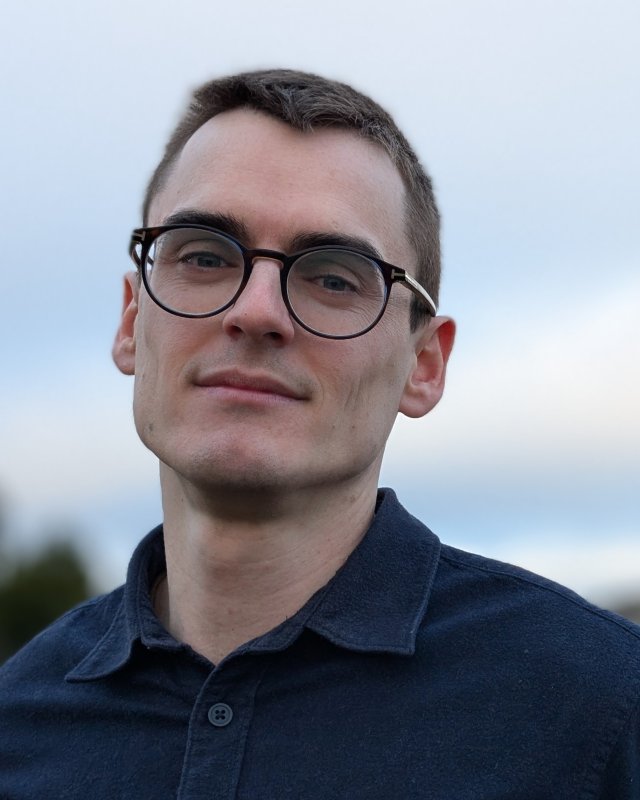
Jakob Sture Madsen
PhD Fellow
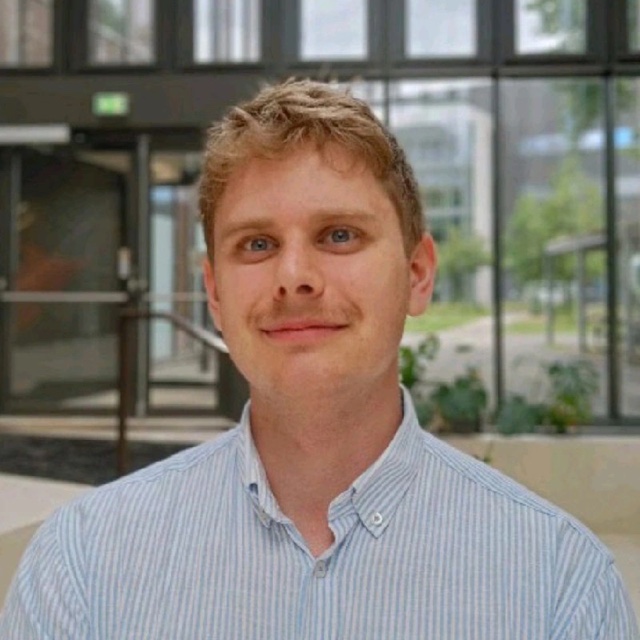
Alexander Peder Smiszek Pedersen
PhD Fellow

Mariana Louro Ribeiro
PhD Fellow

Teemu Kalle Eemeli Rönkkö
Research Assistant / PhD Fellow
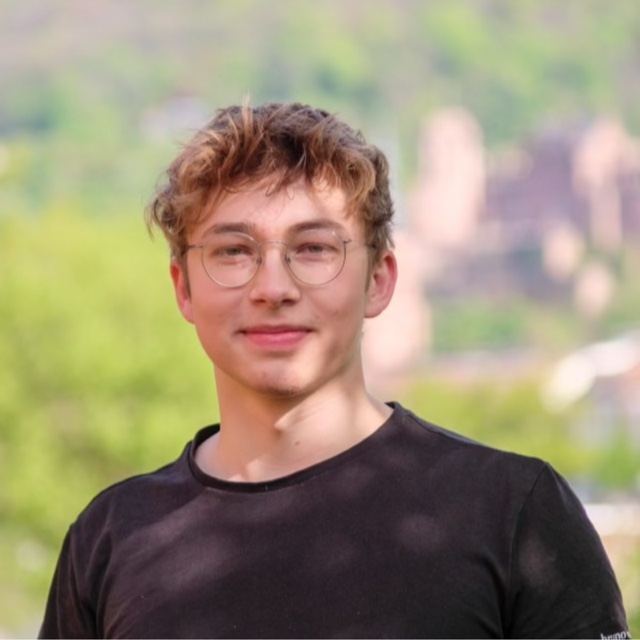
Luis Herfurth
Master’s student
PhD and postdoc positions on the UCPH job portal.
Browse UCPH vacanciesSpend a research period with us in Copenhagen.
Enquire about a visitMSc and exchange projects, computational or experimental.
Discuss a thesis projectA dataset, assay or model that overlaps with our work.
Start a collaboration